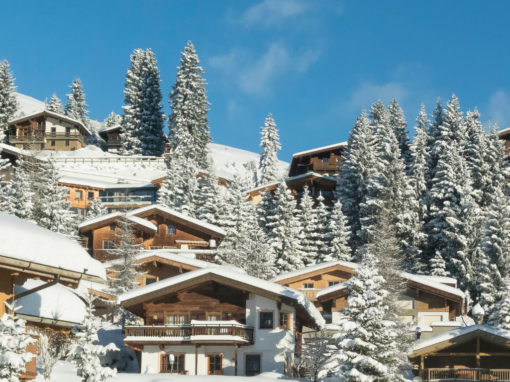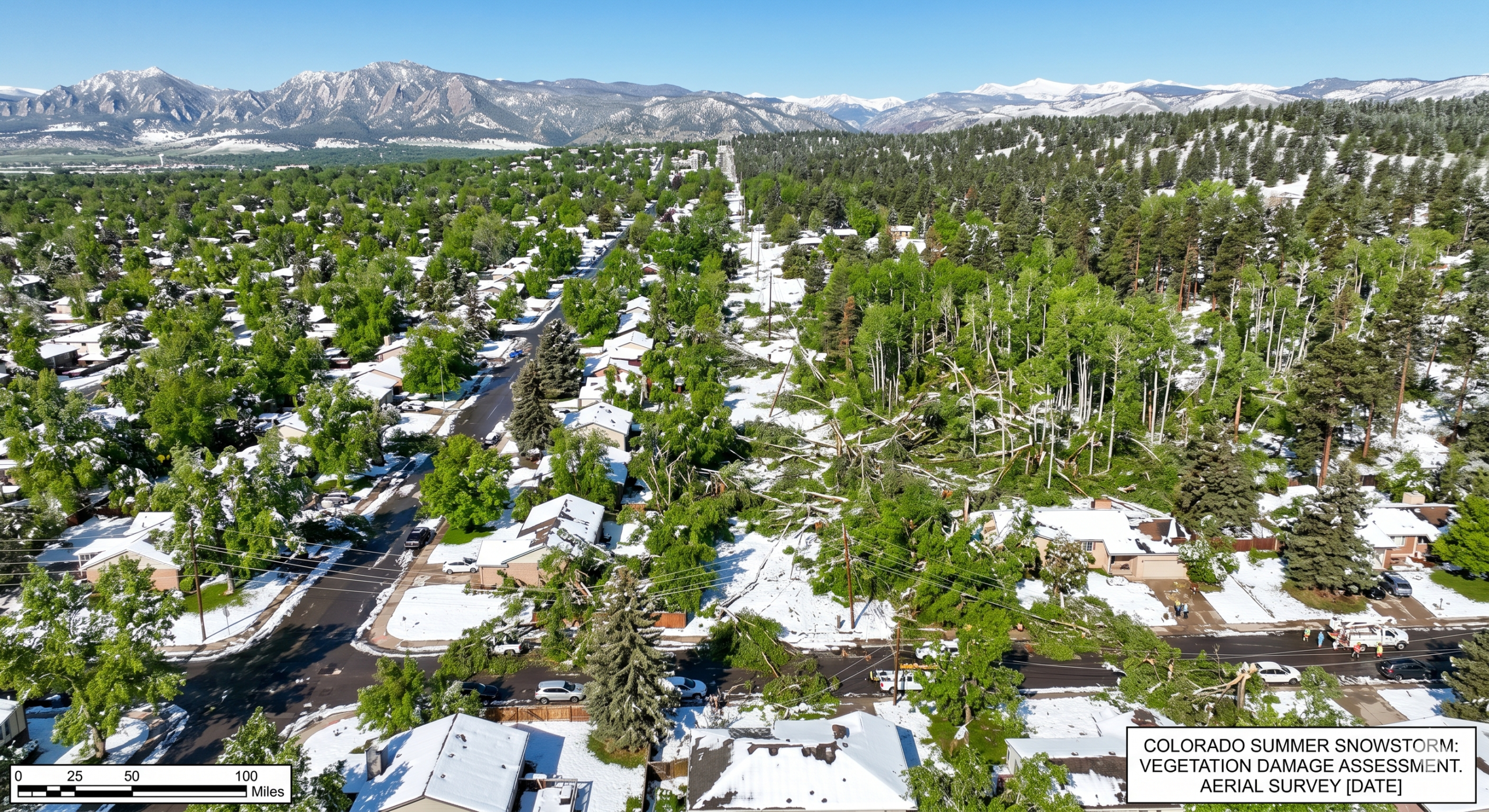
Denver residents are navigating a landscape dramatically altered by an unseasonable spring snowstorm that descended upon the metro area with surprising force. What began as a picturesque blanket of white quickly transformed into a challenging recovery operation, as the heavy, wet snow clung to trees already budding with new leaves. The result? Widespread limb breakage and a significant, heartbreaking impact on our beloved urban canopy.
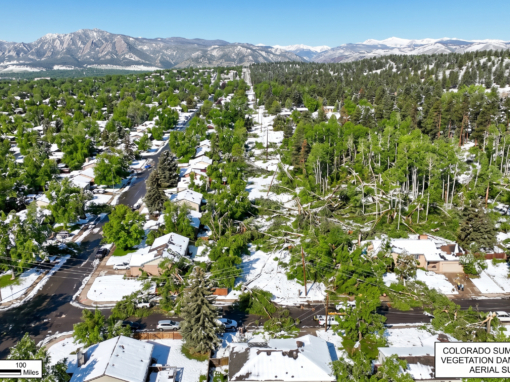
Across the Front Range, the tell-tale signs of the storm's fury are inescapable: streets littered with snapped branches, once-majestic trees now lopsided, and the constant hum of chainsaws as property owners and professional crews work tirelessly to clear the debris. The sheer volume of downed limbs and entire trees has placed immense strain on the city's resources and the local tree care industry, prompting a massive community-wide effort to restore order and beauty.
The Anatomy of a "Perfect Storm" for Destruction
Understanding why this particular storm was so damaging requires a look at the unique characteristics of Colorado's spring weather. Unlike typical winter snowfalls, which usually arrive when trees are dormant and bare, late-season snowstorms often coincide with the delicate period of bud break and new leaf emergence. The nascent leaves, while small, dramatically increase the surface area on which snow can accumulate. When this accumulation is coupled with heavy, moisture-laden snow—a hallmark of many spring systems—the weight becomes unbearable for branches that are already softened by rising sap and burgeoning growth.
This combination created a scenario far more destructive than an equivalent amount of dry, powdery snow on dormant trees. The delicate balance of new growth and saturated snow created a leverage point that proved too much for countless branches, leading to a domino effect of structural failures throughout our urban forest. As experts from Colorado State University Extension often explain, a tree's preparedness for snow depends heavily on its state of dormancy, making these late-season events particularly hazardous.
Widespread Damage: A City Transformed
The visible impact of the storm is undeniable. Many residents woke to find their yards transformed into obstacle courses of broken timber, with some property damage extending to homes, vehicles, and fences. It's a stark reminder of the power of nature and the vulnerability of our green infrastructure.
Strain on Tree Care Professionals
Arborists and tree service companies have reported an unprecedented surge in calls following the storm. "We haven't seen this level of widespread damage from a single event in years," commented one local arborist, noting that his crews were booked solid for weeks. The demand for professional tree removal and pruning services has skyrocketed, with many companies working extended hours to address urgent safety concerns and help homeowners begin the arduous cleanup process. Finding a certified arborist has become a top priority for many.
Impact on Public Spaces and City Resources
The impact extends beyond individual property lines. City parks and public spaces have also sustained considerable damage, prompting a massive cleanup effort by Denver Parks and Recreation crews. These dedicated teams are prioritizing public safety, clearing critical pathways and addressing hazardous situations, while simultaneously working on a longer-term plan to restore the aesthetic and ecological health of the city's green infrastructure. The loss of mature trees represents not just a visual blight but also a significant reduction in the environmental benefits they provide, such as shade, air purification, and vital wildlife habitat.
Infrastructure Under Pressure
The city's infrastructure also felt the strain. Power outages, though localized, affected thousands of residents as falling branches brought down power lines. Utility crews, like those from Xcel Energy, worked around the clock to restore electricity, often in challenging conditions exacerbated by the lingering snow and continued danger of falling debris. Residents are reminded to always treat downed power lines as live and report them immediately to utility providers – never touch or approach them.
Overwhelmed Disposal Sites
One of the most visible indicators of the storm's magnitude has been the overwhelming demand at public disposal sites. Denver's Cherry Creek recycling site, a primary hub for green waste, quickly filled to capacity with truckloads of branches and tree sections, forcing city officials to implement temporary measures and extend hours to accommodate the influx. This surge highlights the critical role these facilities play in post-storm recovery and underscores the community's collective effort to clean up. For information on current disposal options and hours, residents can check the Denver Solid Waste Management website.
Guidance for Homeowners: When to Call the Pros
For homeowners grappling with damaged trees, patience and caution are paramount. Experts from Colorado State University Extension advise against attempting to remove large, heavy, or precariously situated branches without professional assistance. Incorrect pruning can further damage a tree or, worse, lead to serious injury. Here are some key considerations:
- Assess the Damage: Take stock of what's broken. Prioritize limbs that pose a immediate danger to people or property.
- Safety First: Avoid downed power lines. Do not climb ladders to reach high branches.
- Call a Certified Arborist: For anything beyond small, easily accessible branches, hiring a certified arborist is crucial. These professionals possess the necessary equipment, training, and insurance to handle complex tree removal and pruning tasks safely and effectively.
- Verify Credentials: Always ask for proof of certification (e.g., ISA Certified Arborist), insurance, and references.
- Get Multiple Bids: Compare services and pricing from several reputable companies before making a decision.
- Proper Pruning: A certified arborist will know the correct techniques to prune damaged branches, promoting the tree's long-term health and structural integrity, rather than causing further stress.
Looking Ahead: Nurturing Our Green Future
The unexpected spring blizzard has left a lasting impression on Denver's landscape. The city and its residents now face a significant task in repairing and rebuilding the urban forest. This event serves as a stark reminder of the vulnerability of our natural environment to extreme weather fluctuations, even as it showcases the incredible resilience of the community. From neighbors helping neighbors clear sidewalks to city crews working tirelessly, the aftermath of the spring blizzard has underscored a collective commitment to recovery.
While the scars on Denver's tree canopy will be visible for some time, the long-term goal remains clear: to nurture, protect, and strategically replant these vital natural assets for future generations. Our urban trees are more than just scenery; they are critical components of our city's health, beauty, and well-being, and their recovery is a testament to the community's enduring spirit.