Cozy Up: How Winter Movies Spark Our Colorado Mountain Magic!
Oh, that magical first snowfall! Here in Colorado, it’s not just a change in the weather; it’s a whole mood.
The crisp air, the dusting of white on the distant peaks, the exciting buzz that starts to ripple through our mountain towns – it’s simply exhilarating! For many of us, this annual transformation isn’t just about hitting the slopes (though we absolutely LOVE that part!), it’s also about a cherished ritual: getting cozy indoors and watching a favorite winter movie. You know the kind – the ones that perfectly bottle up that unique blend of mountain thrill, silly mishaps, and heartwarming camaraderie that makes winter in Colorado so utterly special.
There’s something incredibly heartwarming about settling in with a steaming mug of hot cocoa, maybe a crackling fire, and letting a feel-good film transport you to a snowy wonderland. It’s a way to get into the spirit, to anticipate the adventures to come, and to revel in the sheer joy of the season. And let’s be honest, living here, we truly understand the magic those films are trying to capture because we get to live it every single day!
The Colorado Winter Vibe: More Than Just Snow
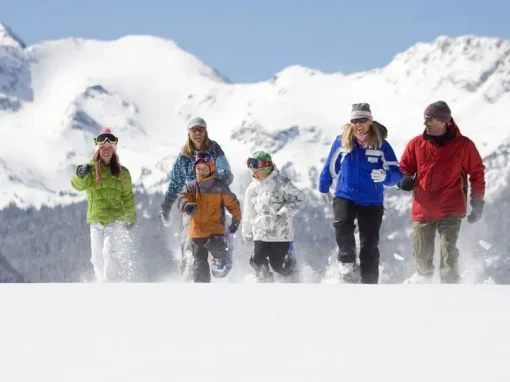
Colorado winters are legendary, and for good reason! We’re blessed with abundant sunshine, champagne powder, and some of the most stunning alpine landscapes on the planet. But it’s more than just the physical beauty; it’s the lifestyle that truly sets us apart. It’s the feeling of community in our charming ski towns, the incredible energy on a busy powder day, and the peaceful hush of a quiet snowfall blanketing everything in white. It’s about bundling up in your favorite puffy coat, smelling the pine trees, and knowing that adventure is always just around the corner.
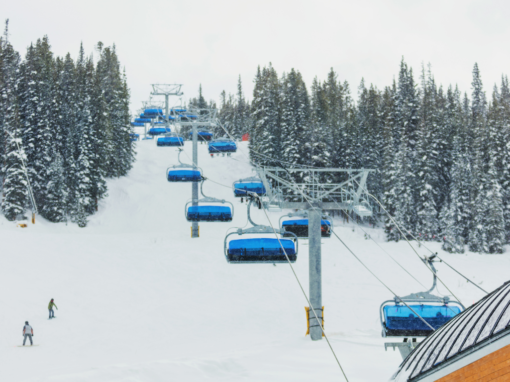
From the moment the first flake falls, a collective excitement builds. Skiers and snowboarders start doing their snow dances, gear is pulled out of storage, and everyone starts planning their first glorious day on the mountain. There’s a buzz in the air, a shared anticipation that binds us together as Coloradans. We live for those moments – the exhilarating descent down a pristine slope, the laughter of friends on a chairlift, and the pure bliss of an après-ski hot tub session with epic mountain views.
Cinematic Snowflakes: Films That Spark Our Mountain Soul
While many of us have specific movies that we return to year after year, it’s the *feeling* those films evoke that truly resonates. Think about the cult classic snowboard comedies or heartfelt dramas set against a backdrop of towering peaks. They might be filled with slapstick humor, inspiring athletic feats, or quirky characters, but at their core, they often celebrate the unique spirit of mountain life – the pursuit of joy, the camaraderie, and the occasional hilarious mishap that makes for great stories later!
These movies often highlight the unbridled freedom of carving down a mountain, the stunning beauty of untouched powder, and the vibrant, often eccentric, culture of mountain resorts. They remind us of why we love winter sports and why we choose to call this snowy paradise home. They’re a perfect warm-up act for the real-life adventures awaiting just outside our doors.
From Screen to Slopes: Living the Colorado Dream
Once those movies have got your blood pumping and your heart yearning for the crisp mountain air, it’s time to live out those cinematic dreams right here in Colorado! We’re incredibly fortunate to have world-class resorts that offer something for everyone. Imagine yourself cruising down the impeccably groomed trails of Breckenridge Ski Resort, or perhaps exploring the expansive terrain and charming village of Vail Mountain. The options are endless, and each resort offers its own unique flavor of alpine magic.
But the winter wonderland isn’t just for skiers and snowboarders! There’s ice skating under twinkling lights, exhilarating tubing hills, peaceful snowshoeing trails, and scenic sleigh rides that transport you straight into a holiday postcard. Many of our mountain towns truly transform into enchanting, festive villages during the winter, offering delicious local cuisine, unique boutiques, and lively music scenes. It’s the perfect blend of outdoor adventure and cozy relaxation.
Cherished Traditions: Family, Friends, and Firesides
Just like a movie can become a treasured annual viewing, winter in Colorado is all about creating and sharing special traditions. Maybe it’s a family ski trip to your favorite resort, a friendly snowball fight in the backyard, or a festive gathering with friends around a roaring fire, sharing stories and laughter. It could be sipping on a delicious craft brew from a local spot like the Breckenridge Distillery, or treating yourself to some decadent hot cocoa from a Rocky Mountain Chocolate Factory after a day on the slopes.
These shared moments are what truly enrich our lives here in Colorado. They’re the memories we build, the bonds we strengthen, and the joy we find in the simple pleasures of the season. Whether you’re a seasoned local or planning your first visit, the spirit of Colorado winter is incredibly inviting and full of opportunities to create your own unforgettable traditions.
So, as winter settles in and the snow continues to fall, take a moment to enjoy those beloved winter movies that inspire you. Then, once you’re feeling that rush of excitement, step outside and truly immerse yourself in the vibrant, exhilarating, and absolutely magical Colorado winter experience. We’re so lucky to live here, and we can’t wait for you to discover all the joy and adventure this season brings!
Source: SnowBrains
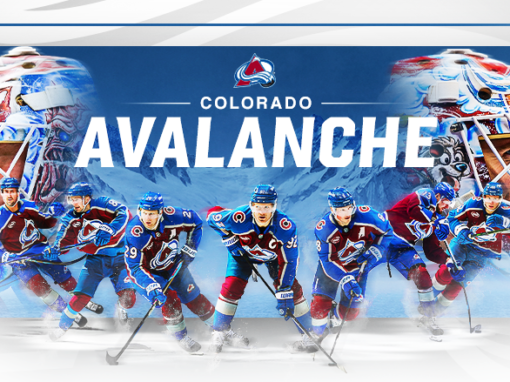
The Colorado Avalanches perfect playoff run hit a wall Saturday night in St. Paul.
Playing on home ice at Grand Casino Arena, the Minnesota Wild dismantled the heavily favored Avalanche 5-1 in Game 3—a gut-punch loss that shattered any illusions of invincibility Colorado had built through their first two victories. For a team that had looked untouchable, this was a harsh reminder of how quickly momentum shifts in playoff hockey.
Minnesota’s game plan was brutally simple: neutralize Colorado’s speed advantage through relentless physical play. The Wild threw their bodies around, forced turnovers, and turned the ice into a contested battleground. The Avalanche’s typically crisp passing and seamless transitions got bogged down. Their star players couldn’t find open ice. The power play misfired. Even worse, they felt reactive instead of assertive—and in the playoffs, that’s a death sentence.
What Went Wrong
Colorado’s defense, usually stingy, cracked early and often. Special teams—a measuring stick for playoff success—fell flat. But the real issue was the Avalanche’s refusal to match Minnesota’s intensity. Championship teams push back when challenged. This version looked caught off-guard and outworked for large stretches.
Back in Denver, the conversation is straightforward: Was this a bump in the road, or proof of vulnerability? The answer matters less than the response. Head Coach Jared Bednar will dissect film obsessively, tighten defensive structure, and demand better puck management. Veterans need to reset the locker room mentality. The mental resilience to bounce back separates contenders from champions.
The Road Ahead
This series is no longer a coronation. Minnesota proved they can disrupt even the most talented offenses. Game 4 becomes critical—Colorado either responds with a statement win or risks letting real doubt creep in.
Coloradans know resilience. It’s baked into the landscape of the Rockies and the character of the state. The Avalanche need to tap into that now.
For Avalanche updates, schedules, and standings, visit the Colorado Avalanche official website.
Explore Colorado hockey culture and youth programs through the Colorado Avalanche Youth Hockey Programs.
Discover more about Colorado sports and tourism at the Colorado Tourism Office.
Colorados Ultra-Luxury Alpine Estates
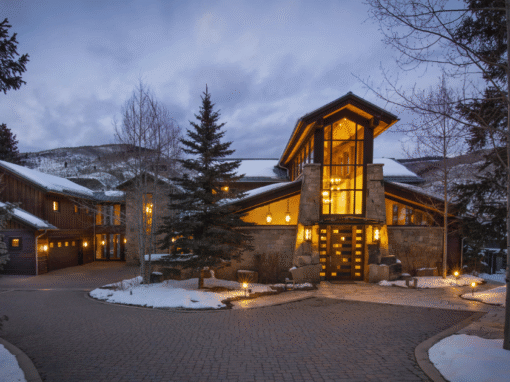
The image of a rustic cabin nestled in the Colorado Rockies is iconic—but it barely scratches the surface of what’s possible in the state’s ultra-luxury ski markets. Today, Colorado’s most exclusive alpine properties are redefining mountain living by combining European-inspired grandeur, cutting-edge architectural innovation, and unparalleled access to some of North America’s premier ski terrain. These aren’t your typical mountain getaways; they’re expressions of a lifestyle that merges world-class skiing, cultural sophistication, and the raw beauty of the Rocky Mountains into a singular, extraordinary experience.
Understanding Colorado’s Ultra-Luxury Ski Market
Colorado’s ultra-luxury real estate market has evolved dramatically over the past two decades. What was once dominated by traditional ski lodges has transformed into a sophisticated ecosystem of architectural masterpieces scattered across the state’s most coveted alpine communities. Properties in Aspen, Vail, Telluride, Beaver Creek, and surrounding mountain towns now feature designs that rival European estates, complete with sprawling floor plans, private ski access, elaborate wellness amenities, and price tags regularly exceeding eight figures.
Key Insights
These aren’t properties simply defined by square footage or location. They represent the pinnacle of mountain real estate, offering buyers a comprehensive lifestyle package that extends far beyond traditional home ownership. Think temperature-controlled wine cellars with capacity for thousands of bottles, resort-style indoor pools featuring waterfall cascades, private bowling alleys, spa facilities, cinema rooms, and dedicated staff quarters—all thoughtfully integrated into some of North America’s most dramatic mountain terrain.
According to Colorado Tourism Office, the state consistently ranks among the top destinations for luxury mountain living, drawing discerning buyers from across the globe. The combination of world-class ski access, abundant annual snowfall, vibrant resort communities, and some of the continent’s most breathtaking vistas creates a compelling value proposition that transcends typical real estate metrics.
The Architecture of Alpine Luxury
The architectural approach to Colorado’s ultra-luxury properties represents a fascinating blend of bold vision and environmental respect. Designers working at this market level draw inspiration from both European châteaux and authentic Rocky Mountain tradition, creating residences that feel simultaneously deeply rooted in their environment and unmistakably grand in scale and ambition.
Material selection plays a critical role in this balance. Reclaimed timber sourced from authentic Colorado heritage structures, locally quarried stone in warm earth tones, hand-forged copper accents, and expansive floor-to-ceiling windows become design elements that frame snow-capped peaks and evergreen forests. The result is a cohesive aesthetic that commands architectural attention while maintaining respect for the surrounding landscape.
Modern ultra-luxury properties also incorporate sophisticated climate control systems, smart home automation, and sustainable building practices—elements that ensure these estates operate with minimal environmental impact while delivering maximum comfort and convenience. Passive solar design, geothermal heating, and renewable energy systems are increasingly standard features rather than optional upgrades.
The integration of indoor-outdoor living defines contemporary alpine luxury. Heated outdoor terraces, covered pavilions designed for mountain entertaining, and thoughtfully positioned viewing areas transform the property itself into an extension of the resort experience. Buyers increasingly expect seamless transitions between interior and exterior spaces that capitalize on Colorado’s 300 days of annual sunshine.
Aspen & Snowmass Village: Celebrity Territory and Cultural Excellence
Aspen and its sister community, Snowmass Village, occupy a unique position in Colorado’s luxury real estate landscape. These towns function as celebrity sanctuaries—sprawling compounds that offer Hollywood-level privacy while maintaining direct access to world-class cultural institutions, Michelin-recognized dining establishments, and galleries that rival those found in major metropolitan areas.
Aspen’s historical significance as a silver mining town adds depth to its real estate narrative. Properties here often acknowledge this heritage through refined architectural aesthetics that nod to the area’s mining legacy while embracing contemporary luxury. Expect to see careful integration of historical elements—exposed mine beams, period-appropriate materials, and design references—woven into modern floor plans.
According to Visit Aspen Snowmass, the region attracts approximately 3 million annual visitors and hosts world-renowned events including the Aspen Ideas Festival, Aspen Music Festival, and numerous international cultural programs. This creates an environment where ultra-luxury property owners gain access not just to skiing, but to a comprehensive cultural ecosystem that rivals destinations like Monaco or Courchevel.
The buyer profile in Aspen and Snowmass Village typically includes C-suite executives, entertainment industry professionals, and international buyers seeking the intersection of luxury, culture, and uncompromising mountain access. Properties here frequently serve dual purposes: primary residences for those splitting time between major cities and personal sanctuaries for entertaining high-profile guests.
Vail & Beaver Creek: European Village Charm at Scale
Vail and Beaver Creek present a distinctly different character from Aspen, emphasizing European village charm delivered at massive scale. Developed with comprehensive master planning, these communities offer gated enclaves, ski-in/ski-out exclusivity, and an atmosphere of understated elegance that appeals to families and privacy-conscious buyers.
Beaver Creek, in particular, has positioned itself as the premier family destination within Colorado’s ultra-luxury market. The resort’s intentional design creates an insulated, refined atmosphere where property owners benefit from integrated resort amenities, exceptional snow reliability (the resort receives an average of 180 inches annually according to Vail Resorts), and a tight-knit community of similarly-minded residents.
The architectural vocabulary in Vail and Beaver Creek draws heavily from Alpine European traditions—steep roof pitches designed for heavy snow load management, broad eaves that provide shelter from intense mountain weather, and material palettes that echo traditional Swiss and Austrian lodge aesthetics. Contemporary ultra-luxury properties in these communities successfully update this vernacular with modern sustainable building practices and technological integration.
These communities also benefit from the operational expertise of Vail Resorts, North America’s largest ski resort network. Property owners gain access to a comprehensive ecosystem of resort services, from ski patrol operations to world-class instructional programs, that enhance the overall ownership experience.
Telluride: Drama, Privacy, and Authentic Mountain Living
Telluride represents perhaps the most dramatically positioned of Colorado’s ultra-luxury ski communities. Tucked within a box canyon surrounded by the imposing San Juan Mountains, Telluride properties maximize jaw-dropping vistas while appealing to buyers who prioritize privacy and genuine mountain adventure over flash and ostentation.
The community’s geography creates natural exclusivity—access is limited, the terrain is uncompromising, and the resident base tends to be smaller and more tightly integrated than in larger resort communities. According to Telluride Ski Resort, the mountain receives over 300 inches of annual snowfall, making it one of the most consistently snowy destinations in North America.
Ultra-luxury properties in Telluride often emphasize connection to the surrounding landscape rather than domination of it. Architectural approaches tend toward integration with the terrain, maximizing natural light and views while minimizing visual impact. The buyer profile here frequently includes entrepreneurs, creatives, and adventurers who view their mountain home as a base for genuine outdoor pursuits rather than purely a status symbol.
The tight-knit Telluride community also attracts buyers seeking authenticity. Unlike larger resort communities that can feel transient, Telluride maintains a genuine mountain town character where residents engage meaningfully with local culture, support local businesses, and participate in community traditions.
Market Dynamics and Investment Considerations
The ultra-luxury Colorado ski market has experienced significant evolution, particularly since the acceleration of remote work. As Mountain Living Magazine has extensively documented, the ability to work from anywhere has fundamentally shifted where high-net-worth individuals choose to establish primary residences or significant vacation properties.
These properties function simultaneously as residences, investment assets, and lifestyle platforms. Many buyers structure ownership within entities designed to optimize tax efficiency while maintaining privacy. The ultra-luxury market also increasingly incorporates professional property management services, allowing owners to maximize utilization through selective rental programs while maintaining privacy and control.
Buyer motivations extend beyond real estate acquisition. Properties at this level represent the establishment of lifestyle legacies—personal resorts where families gather across generations, where business relationships deepen through meaningful hospitality, and where individuals disconnect from ordinary constraints. For multi-generational families, these properties serve as anchors—places where family identity consolidates around shared experiences and memories.
The Broader Ecosystem of Alpine Luxury
Understanding Colorado’s ultra-luxury market requires familiarity with the professional ecosystem that supports it. Organizations like National Association of Luxury Realtors provide resources and best practices for agents and brokers specializing in high-end transactions. Firms like Orchard Brokerage, which specialize in Colorado Front Range luxury properties, bring specialized expertise to the market.
Interior designers, architects, and craftspeople specializing in ultra-luxury alpine residences form a specialized ecosystem. These professionals understand the unique technical challenges of mountain construction, from heavy snow load engineering to extreme weather resilience. They recognize that properties at this level demand both aesthetic excellence and functional sophistication.
The service infrastructure surrounding ultra-luxury mountain properties is equally important. From concierge services to private aviation coordination, from specialized property management to custom catering, these properties operate within a comprehensive ecosystem designed to deliver resort-level experiences within private residences.
Emerging Trends in Ultra-Luxury Alpine Real Estate
Several trends are reshaping Colorado’s ultra-luxury ski market. Sustainability has evolved from optional amenity to expected standard. Buyers at this level increasingly demand properties incorporating renewable energy systems, water conservation technologies, and construction practices that minimize environmental impact.
Wellness amenities have expanded dramatically beyond traditional pools and spas. Properties now feature altitude training chambers, cryotherapy facilities, advanced fitness studios, and meditation spaces—reflecting broader cultural shifts toward holistic health and performance optimization.
Technology integration has become seamless and expected. Smart home systems that manage everything from climate control to lighting to entertainment are now baseline expectations rather than premium upgrades. Cybersecurity infrastructure protecting valuable art collections and ensuring privacy has become a critical design consideration.
Conclusion: More Than Real Estate
Investing in one of Colorado’s ultra-luxury alpine estates transcends traditional real estate acquisition. These properties represent the physical manifestation of a lifestyle philosophy—one that values access to world-class skiing, cultural sophistication, natural beauty, and the freedom to build meaningful experiences with those who matter most.
Whether pursuing a primary residence that capitalizes on remote work flexibility, establishing a generational family gathering place, or creating an exclusive entertaining sanctuary, Colorado’s ultra-luxury mountain properties deliver on multiple levels. They are architectural achievements, lifestyle platforms, and personal gateways to one of North America’s most extraordinary outdoor playgrounds.
For those considering entry into this market, the decision extends beyond traditional real estate analysis. It’s about identifying the alpine community that aligns with your lifestyle values—whether that’s the cultural sophistication of Aspen, the family-focused refinement of Beaver Creek, the European village charm of Vail, or the authentic mountain character of Telluride.
Explore Colorado’s Alpine Communities & Resources
Colorado’s Endless Winter Spirit: Chasing Snow into Summer
For many, the first signs of spring mean packing away skis and snowboards, trading powder days for hiking boots and mountain bikes. The allure of winter’s crisp air and the thrill of carving fresh tracks often feel like a distant memory as warmer temperatures take hold. Yet, for a dedicated subset of winter enthusiasts, the pursuit of snow extends far beyond the traditional season. These passionate individuals refuse to let the magic of winter fade, actively seeking out opportunities to keep their skis waxed and their spirits high, even as the calendar flips towards summer.
While most resorts across the country shutter their lifts by April or May, a unique operation high in the Montana Rockies — Beartooth Basin — is preparing to welcome skiers for its annual summer-only season. This distinctive ski area, celebrating its 64th year of operations, serves as a beacon for those who refuse to let winter end. But its existence also prompts a broader reflection on how mountain communities, particularly here in Colorado, embrace and extend the magic of high-altitude recreation year-round. It’s a tale of two approaches, both equally committed to the enduring appeal of the mountains.
Beartooth Basin: An Alpine Anomaly Where Winter Lingers
The operational model of a place like Beartooth Basin, situated on the breathtaking Beartooth Pass, is fascinatingly distinct. This high-alpine highway is famously closed in winter due to extreme snow, making the ski area inaccessible for traditional winter operations. Instead, Beartooth Basin relies solely on the monumental snowpack that accumulates during the long, harsh winter months. It becomes accessible only once the snowplows courageously clear the pass in late spring, typically opening its lifts from late May or early June through early July, depending on snow conditions and road access.
This unique timing offers a rare and coveted opportunity. For competitive ski teams and coaches, it’s an invaluable training ground, allowing them to hone their skills on actual snow when most of the world has moved on to warmer pursuits. Passionate recreationalists, too, flock to its slopes, eager to extend their ski season and experience the surreal joy of carving turns under the summer sun. Beartooth Basin’s very existence highlights a global niche market for summer skiing, found in other high-altitude locales like the majestic European glaciers and the vibrant ski resorts of the Southern Hemisphere, offering a continuous cycle of winter for those who chase it.
Colorado’s Tenacious Grip on Winter: Extended Spring Seasons
Colorado, renowned for its unparalleled ski industry and lofty peaks, doesn’t boast a dedicated summer-only ski area quite like Beartooth Basin. Instead, the Centennial State approaches the extended season with a different, equally robust strategy: pushing its winter operations well into late spring and early summer. Resorts like Arapahoe Basin, Loveland Ski Area, and occasionally Breckenridge, are famous for their tenacious hold on winter, often spinning lifts through May, June, and even into July in banner snow years. This commitment to a longer season allows Colorado residents and visitors to enjoy the unique experience of spring skiing, complete with sun-drenched slopes, festive pond skims, and often, incredible corn snow conditions that offer buttery smooth turns.
Arapahoe Basin, affectionately known as A-Basin, is a prime example of this enduring spirit, often becoming the last ski resort open in Colorado. Its high elevation and north-facing slopes allow it to retain snow remarkably well, sometimes hosting skiers and riders well after the Fourth of July. This extended season is not just a luxury; it underscores the adaptability and resilience of Colorado’s mountain communities. These towns thrive on tourism, and extending the ski season not only provides significant economic benefits but also reinforces the state’s identity as a premier destination for snow sports. The dedication required to maintain operations into the late spring and early summer, battling fluctuating temperatures and rapidly changing conditions, is immense, showcasing the unwavering commitment of resort staff and the fierce loyalty of the skiing public.
Beyond the Slopes: Colorado’s Summer Transformation
Once the snow finally melts from the lower elevations, Colorado pivots seamlessly into a summer paradise. The towering peaks that cradle world-class ski slopes transform into an adventurer’s playground, offering a wealth of activities that rival the excitement of winter. The transition is swift and spectacular, turning snow-covered landscapes into vibrant green havens for outdoor enthusiasts.
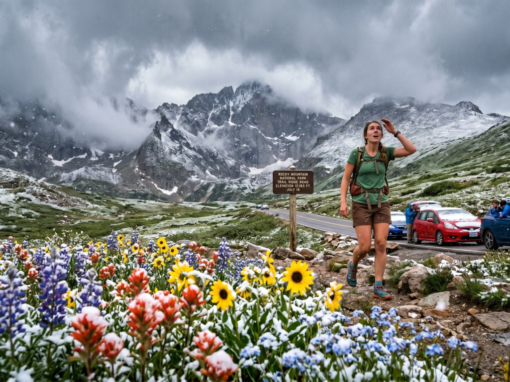
- Hiking: Trails that were once buried under feet of snow open up, inviting exploration of alpine meadows bursting with wildflowers and challenging ascents of Colorado’s famous 14ers – peaks exceeding 14,000 feet. From leisurely strolls to strenuous multi-day treks, the hiking opportunities are boundless.
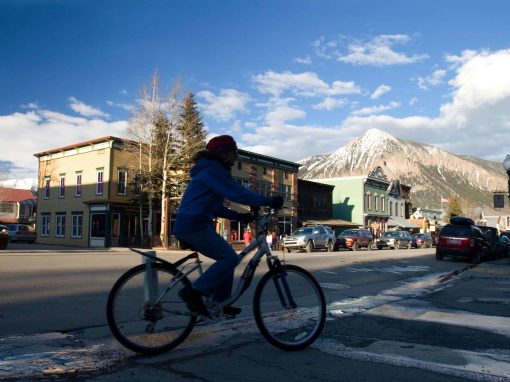
- Mountain Biking: Hundreds of miles of singletrack winding through dense forests and high-alpine terrain become a prime activity. Resorts like Winter Park and Crested Butte transform into world-class bike parks, offering lift-served access to exhilarating downhill runs for all skill levels.
- Whitewater Rafting: As snowmelt feeds roaring rivers, whitewater rafting surges, providing thrilling adventures. From the family-friendly rapids of the Arkansas River to the challenging stretches of the Animas, there are options for every experience level, offering an exhilarating way to experience the state’s natural beauty.
From the scenic beauty of Rocky Mountain National Park to the vibrant trail networks around Aspen, Crested Butte, and Winter Park, Colorado offers an unparalleled array of outdoor summer activities. The state truly embodies the spirit of year-round adventure, ensuring that the mountains are never dormant.
Cultural Vibrancy and Community Life in Mountain Towns
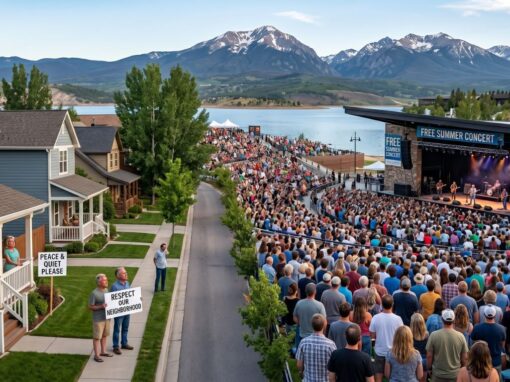
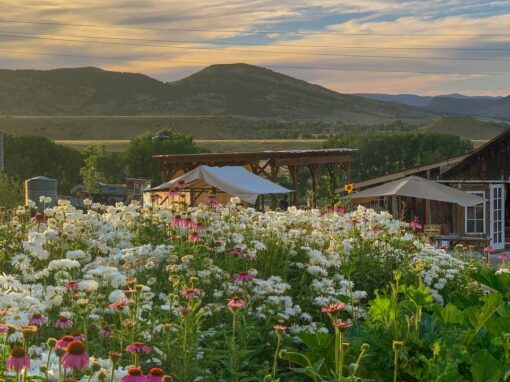
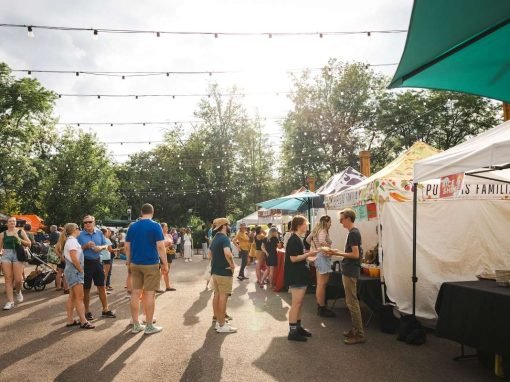
The cultural fabric of Colorado’s mountain towns also shifts dramatically to embrace summer. The bustling ski season gives way to a vibrant calendar of events that celebrates art, music, and community spirit. Music festivals, art fairs, farmers’ markets, and outdoor concerts fill the warmer months, drawing visitors who seek a different kind of mountain experience. These events are often set against breathtaking backdrops, offering a unique blend of natural beauty and lively community life that creates unforgettable memories.
The state’s diverse landscapes, from the iconic red rocks of Boulder to the vast wilderness of the San Juan Mountains, ensure there’s a unique summer experience for every taste. Beyond the organized events, the Colorado State Parks system provides countless opportunities for camping under starry skies, serene fishing in pristine lakes, and exhilarating boating on expansive reservoirs, extending the outdoor recreational season even further. These summer offerings are not merely supplementary; they are integral to the economic and social vitality of these mountain communities, showcasing their versatility and deep connection to the natural environment.
Navigating Challenges and Embracing Resilience
The challenges faced by unique operations like Beartooth Basin, including years of struggle as mentioned in various reports, resonate with broader concerns within the ski industry, particularly regarding climate variability. While Colorado’s resorts benefit from high altitudes and significant snowfall, the long-term trends of warming temperatures and unpredictable weather patterns pose ongoing adaptation challenges. The reliance on natural snow, whether for a summer-only operation or an extended spring season, makes the ingenuity and persistence of any operation that relies on snow all the more impressive.
Colorado’s ski industry, represented by organizations like Colorado Ski Country USA, continuously invests in advanced snowmaking technology, sustainable practices, and diverse summer offerings to ensure the longevity of mountain tourism. Resorts are actively exploring ways to minimize their environmental footprint while maximizing visitor experiences, understanding that the health of the mountains is paramount to their future. This proactive approach to environmental stewardship and economic diversification is crucial for sustaining the beloved mountain lifestyle and the industries that support it in the face of a changing climate.
Conclusion: The Unending Lure of the Mountains
Ultimately, whether it’s the dedicated summer-only runs of Beartooth Basin in Montana or the incredibly long spring seasons of Colorado’s high-altitude giants, the desire to extend the ski season is a testament to the profound connection people feel to snow and mountain environments. It speaks to a shared passion for outdoor adventure and a deep appreciation for the unique challenges and rewards that alpine landscapes offer.
Colorado, with its rich heritage in outdoor recreation, continues to be at the forefront of providing diverse and engaging experiences. From the last turns of spring skiing to the first hike of summer, the state ensures that the spirit of winter can linger long into summer, and that the mountains always offer a new adventure, no matter the season. The commitment to maintaining these opportunities, adapting to challenges, and celebrating the multifaceted beauty of the Rockies ensures that the allure of “Summer Snow” and the vibrant mountain lifestyle will endure for generations to come.