It’s free, it’s nearby, and yes—you should actually go.
You’ve lived here long enough to stop being impressed by things tourists pay for. Red Rocks is different: it’s literally free during the day on non-concert dates, the geology is legit, the hiking doesn’t suck, and the views are useful for actual photography or just needing to think. This guide covers what works, what doesn’t, and how to avoid the obvious mistakes that lead to wasted time and frustration.
The Setup: How Access Actually Works
Red Rocks operates as a working concert venue first, public park second. This means the free access is conditional and somewhat unpredictable depending on event schedules. The city generates significant revenue from concerts and events, so the venue’s priority is rightfully the paying customers. Understanding this hierarchy saves you from wasted trips and frustration. The good news is that there are plenty of non-event days throughout the year when you have full, uninterrupted access to everything. You need to plan around the schedule, not assume you can show up whenever you feel like it.
Non-Concert Days (Most Days)
Park is open sunrise to sunset on days without scheduled events. The parking lot opens early, the amphitheatre is completely walkable, and all trails are accessible without restriction or obstruction. You’ll encounter maybe dozens of people instead of thousands—mostly locals, photographers, serious hikers, and a few tourists who actually planned ahead. The experience is dramatically different from concert days: you can sit in the seats in silence, hear nothing but wind and the occasional bird call, and move through the space at your own pace without navigating crowds. This is when Red Rocks actually reveals itself as a geological and acoustic marvel rather than just a concert venue. The quietness is almost shocking if you’re used to thinking of this place only as an entertainment destination. You get to understand why this location was chosen, why the rocks matter, and why the geometry is brilliant.
Concert Event Days
On concert days, the park closes mid-afternoon for setup, soundchecks, and security preparations. The crew arrives hours before doors open and needs that time to set up equipment, test systems, configure staging, and prepare the venue for thousands of attendees. Morning access is technically possible but the timing is extremely tight—you’d need to be in and out by 2 PM, sometimes earlier depending on the specific event schedule. This defeats the purpose of visiting because you’re rushing the entire time, constantly aware of the clock. Even if you arrive early, there’s a sense of urgency and disruption that ruins the peaceful experience that makes Red Rocks worth visiting in the first place. The logistics aren’t worth it, and honestly, showing up during setup just gets in the way of people trying to do their jobs and prepare the venue properly.
Special Event Days
Throughout the year, Red Rocks hosts occasional festivals, outdoor film screenings, sunrise yoga sessions, and other special events beyond the typical concert calendar. Some of these are free and open to the public; others require free registration or paid tickets depending on the specific event. These can actually be worth attending if they align with your interests—a film screening at Red Rocks has a completely different vibe than a concert, and the atmosphere is often more intimate and focused. A sunrise yoga class followed by watching the light hit the rocks is genuinely memorable, and you don’t get that experience at your local studio. However, you should still check what’s happening beforehand, because even a “free” event day means the park operates under different rules and access patterns than a normal day. The event calendar is your absolute best friend here.
The rule: Check the official Red Rocks event calendar before you go. It’s updated regularly, publicly available, and extremely reliable. If there’s an event scheduled, don’t show up expecting normal park access—plan accordingly or pick a different day. This one habit will save you more frustration than any other single thing you can do. The calendar is literally at redrocksonline.com and takes 30 seconds to check.
The Amphitheatre Itself
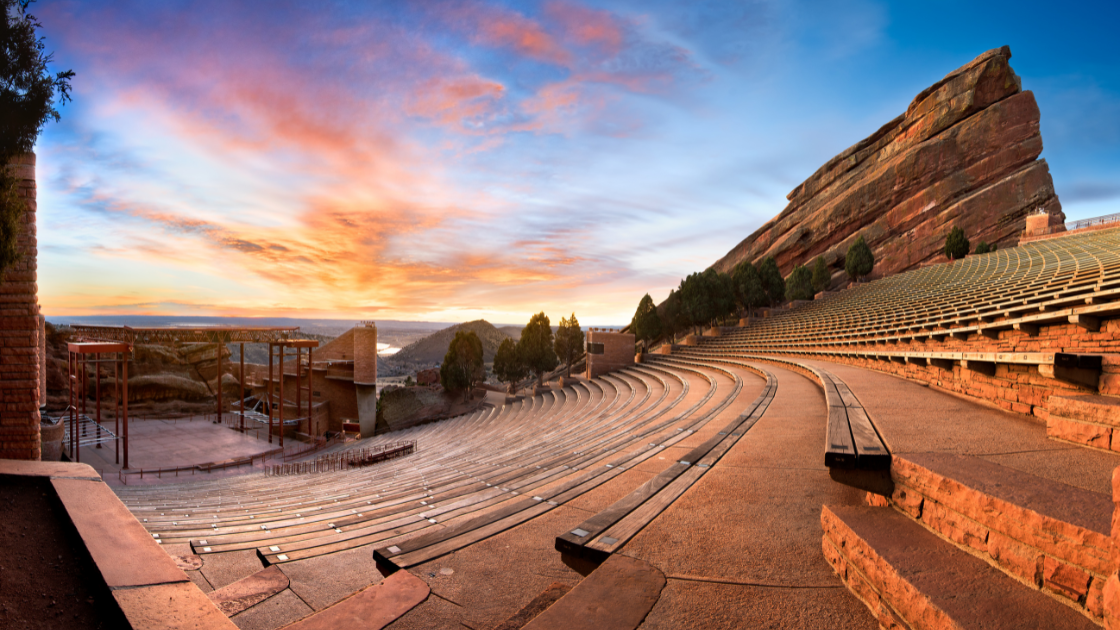
You can walk the seats, explore the stage area, and photograph the sandstone formations up close—Ship Rock and Creation Rock are the main geological features that frame the entire venue. The venue is actually impressive from a design perspective; it’s acoustically engineered in ways that acoustical engineers still study and reference when designing other outdoor venues. The shape of the rocks, their composition, the way they face each other, the angles and distances between them—all of it matters and works together. You only notice the genius of the geometry when it’s quiet and you’re actually paying attention to how sound behaves in the space. Standing in the middle of the amphitheatre during the day with maybe five other people around is a completely different experience than being packed in with 10,000 concert-goers, and honestly, it reveals the place more honestly and lets you understand what the architects and venue designers were actually thinking.
The upper rows offer a panoramic view of the Denver metro area stretching out to the plains, and the foothills rise behind you to the west toward the Continental Divide. It’s not a secret lookout that Instagram doesn’t know about, but it’s genuinely solid for landscape photography and cinematography work, especially early morning when the light is clean and directional and there are maybe two other people there. The angle from the highest rows gives you the entire bowl of the amphitheatre in frame, and from there you can see the full scope of the engineering and the natural beauty working together. The red rock color really pops in golden hour light, the shadows create depth and texture, and you can see the city lights at night from up there too if you’re willing to stick around until dusk. Professional photographers use this spot regularly for personal projects and client work, and there’s a reason for that—the composition actually works, the light is predictable, and the backdrop is genuinely interesting.
One practical note: the seating areas are bleacher-style, unpadded concrete and stone—not comfortable for extended sitting. Bring something to sit on if you’re planning to stay more than 20 minutes—a small blanket, a cushion, a yoga mat, whatever you’ve got that provides some padding. The stone gets warm on sunny days (actually quite hot in summer, potentially uncomfortable by noon), and cold on cloudy or shaded mornings, especially early. The wind picks up in the afternoons and funnels through the rock formations, creating real gusts that can be annoying if you’re trying to photograph or relax. You’re at 6,800 feet of elevation, so temperature swings between morning and afternoon can be 20+ degrees. Layers are essential even in summer because you might arrive in a light jacket and leave needing to shed it completely.
The backstage areas are off-limits (fenced, signed clearly, and they mean it), but you can walk right up to the front of the stage and get close-up views of the rock formations from ground level. The texture and detail of the sandstone is genuinely worth examining up close—you can see the geological layering, the different colors and weathering patterns, and understand why this specific location was chosen for the venue decades ago. Running your hand over the rock, seeing the grain and composition, gives you a physical connection to the place that photographs don’t capture. There’s usually a small gift shop and visitor center near the parking area with basic info, restrooms (important), and the Colorado Music Hall of Fame, which is free and actually decent if you have 15 minutes and any interest in Colorado’s music history. It gives context on why Red Rocks became so important to artists and why this particular venue has hosted everyone from The Beatles to Radiohead to current touring acts.
The Trails: What’s Actually Worth Hiking
The park has a network of trails ranging from easy loops to more serious hikes. Two main options work for most people depending on your time and fitness level, and both offer genuinely good experiences without being overcrowded or boring.
Trading Post Trail (1.4 miles, easy)
This trail loops through the immediate rock formations around the amphitheatre and is well-maintained with clear signage and regular foot traffic keeping the path obvious. There are lots of shaded sections as you weave between the rocks, which matters in summer when the sun gets intense at this elevation. You get decent close-up views of the sandstone from different angles, and you understand the scale of the formations better when you’re walking between them rather than just looking at them from the amphitheatre seats. The trail is good for families or if you just want a 45-minute walk and some light activity without committing to a longer hike. You’ll see deer, various birds, squirrels, and lizards if you’re paying attention—the wildlife presence is consistent because the park is well-managed and the animals are habituated to people. The solitude on weekday mornings is remarkable: you might literally have the trail to yourself or encounter only a handful of other people.
Red Rocks Trail (6 miles, moderate)
This is a longer loop that connects into the South Table Mountain Park system and gives you access to a much larger area of the park and surrounding foothills. The trail has better elevation change than Trading Post—you’re actually climbing and working, which means it’s better for conditioning work and builds a real sense of accomplishment. The sight lines are longer and more expansive, so you get views that go well beyond just the immediate amphitheatre area. You can see across the entire Front Range on clear days, understand the geography of the metro area better, and get a sense of your place in the landscape. The hike takes about 2 to 2.5 hours depending on your pace and how many times you stop for photographs or just to sit and look around. It’s good for people who want to be out for a while without driving an hour further to get to better hiking, and it’s actually solid conditioning work that’s more interesting than treadmill time.
Both trails are marked, maintained regularly, and reasonably popular without being crowded on weekday mornings. The terrain is typical high-elevation Colorado—dry, rocky in spots, some loose rock on steeper sections, and a bit of scrambling in a few places depending on the trail. Standard hiking shoes or running shoes are fine; you don’t need technical gear or full mountain boots. Bring trekking poles if you’ve got them because they help with the elevation and reduce impact on the knees going downhill. The trails are safe and well-established, but respect the environment by staying on marked paths and not cutting switchbacks.
The altitude factor: You’re at 6,800 feet climbing toward 7,500 feet on some sections. If you’re not regularly active or if you’re visiting from lower elevation, you’ll definitely feel it in your lungs and legs—don’t be embarrassed about taking it slower or taking breaks. Bring water. Colorado dehydration is real—you don’t notice you’re thirsty until you’re already dehydrated, and the dry air tricks your body. Drink more water than you think you need. The sun is intense at this elevation, so sunscreen matters even on cloudy days, and a hat is essential for longer hikes.
Practical Details That Matter
Timing
Arrive 8 to 9 AM on non-event days for the best experience overall. Parking is easy at that hour, crowds are minimal (you might have parking lots that are mostly empty), and the light is good for photography without being harsh. The morning air is cool even in summer, which makes hiking more comfortable. By noon on weekends, the lot starts getting busier as casual visitors show up after sleeping in, and the experience shifts from peaceful to mildly social. Afternoons are hotter, have more casual and transient visitors, and the light becomes less photographic. If you go late afternoon expecting golden hour light, you’re correct that the light will be good, but you’ll also be sharing the space with more people and dealing with longer shadows that complicate photography. Early morning is objectively better for the core experience.
Weather
High elevation means temperature swings can be dramatic between morning and afternoon. Mornings are cool even in summer—bring a light jacket because you might actually want it. Afternoons warm up quickly and sun exposure is intense. Afternoon thunderstorms are common May through September in Colorado, so if you see clouds building or hear thunder in the distance, leave early. Lightning at high elevation is genuinely dangerous, and the rock formations funnel wind in ways that can make storms more intense. The rock formations also create wind tunnels on windy days, so what might be a gentle breeze in the city becomes something more noticeable and potentially annoying at Red Rocks.
What to Bring
Water—more than you think you need, especially if you’re hiking. Sunscreen, because Colorado sun at elevation will burn you faster than you expect. A hat for sun protection and temperature regulation. Comfortable shoes with decent traction; if you’re hiking the longer trail, bring actual hiking shoes with ankle support. If you’re hiking the longer trail, a light layer for wind is smart. Camera if you shoot, because the light and composition are genuinely worth documenting. A small blanket or cushion if you plan to sit in the amphitheatre. Forget the phone charger, fancy gear, or unnecessary weight—you don’t need it here and it just slows you down. Keep your pack light and functional.
Parking
Free parking lot near the visitor center. It’s large and well-maintained. Fills up on weekends and concert days, but on regular weekday mornings there’s always plenty of space. There’s no permit required, no fees, and no games. Pull in, park, and go. The parking area is secure and patrolled, so you don’t have to worry about your car while you’re on the trails.
Rules That Actually Matter
Stay on marked trails—the park is protecting the landscape and making sure everyone’s safe. Pack out trash, seriously; the park is maintained but not heavily staffed and the area is popular enough that trash accumulates if people don’t clean up after themselves. Don’t approach wildlife—the deer and other animals are wild, not pets, and they can be unpredictable if they feel threatened. Don’t climb on off-limit rock areas; some sections are closed for safety and geological protection. Don’t use drones without permits; it’s illegal and the rules exist because they were getting in the way of operations. Be respectful of the venue itself—it’s an active concert space and cultural landmark, not your personal playground or free Instagram backdrop. These aren’t arbitrary bureaucratic rules; they keep the park open and usable for everyone.
Why You Should Actually Do This
You live near one of the most geologically significant and acoustically engineered outdoor spaces in the world. Most people pay hundreds of dollars to visit it for concerts and never see it as anything else. You can walk around it, hike the surrounding area, study the actual geological formations, and understand the engineering for free. It’s a legitimate photography location with real compositional value and interesting light. The geology is genuinely interesting if you pay attention to it. The trails are actually decent conditioning work that’s more interesting than a gym or running in circles. The quiet, solitude, and scale of the place are hard to find elsewhere in the metro area without driving an hour further into the mountains. This is something worth using and appreciating instead of taking for granted.
Stop thinking of it as a concert venue that happens to be a park. Think of it as a public geological park that happens to host events sometimes. That’s what it is, and that’s how you use it well.
The Bottom Line
Check the event calendar. Pick a non-event weekday morning. Bring water. Go. It’s free, close, and worth your time. You already live in Colorado—stop acting like you need to drive to Utah or Wyoming to see interesting geology when you’ve got world-class geology in your backyard.